
Camps meant for months become cities for a generation.
Forced displacement is at a record high, and camp lifecycles are lengthening. The shelter the world ships is built for a season. Families live in it for decades.
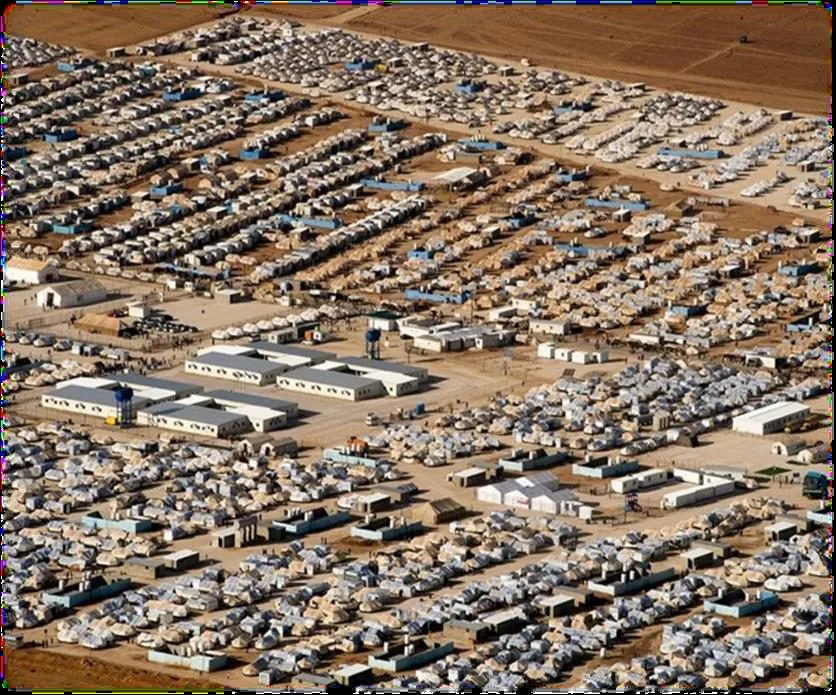
A record 117.8 million people, and most have nowhere to return.
At the end of 2025, 117.8 million people were forcibly displaced worldwide, refugees and internally displaced people forced from home by war, disaster, and destruction. Two-thirds now live in protracted displacement for five years or more.
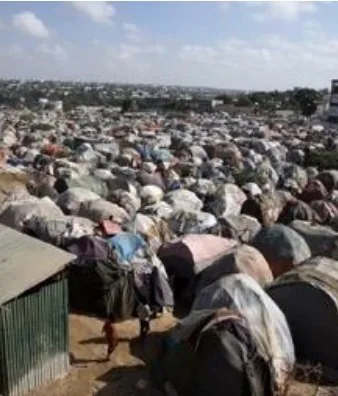
Camps conceived as temporary become permanent. For those in protracted situations the average stay is twenty years. Emergency tents, designed for roughly eight months, are lived in for a generation.
One crisis, three climates.
Our research identified three distinct shelter challenges. Standard tents fail at all three.
Temporary settlements that never end.
Refugee camps are conceived as temporary solutions to mass displacement. With limited tools and resources, they inevitably become permanent settlements. Informal economies and cultural systems take root, a testament to human resilience, but the camps themselves lack the infrastructure to support it, concentrating fire risk, disease, and few paths to education or work.
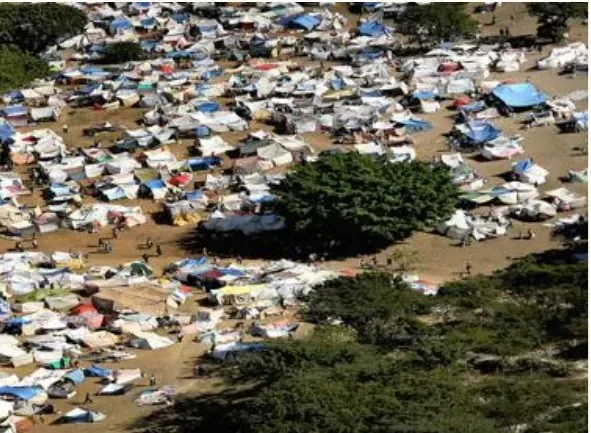
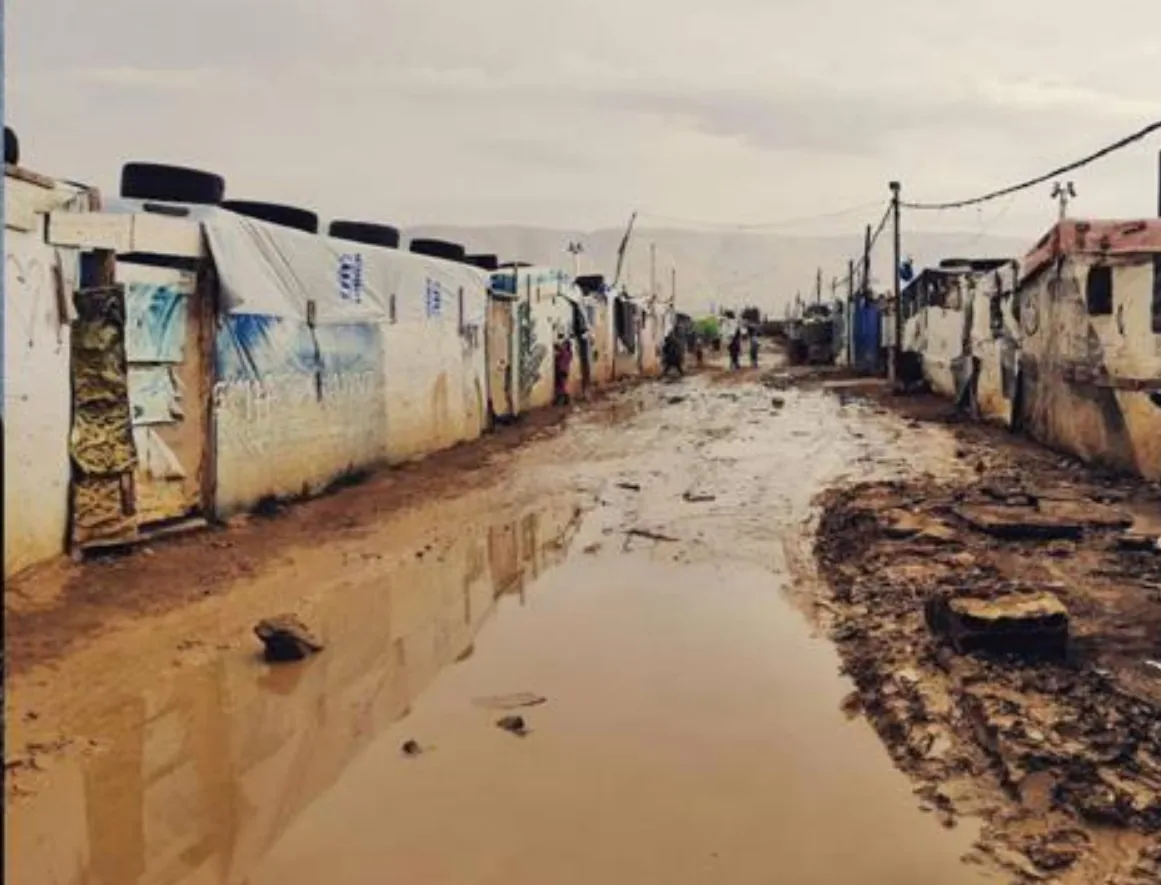
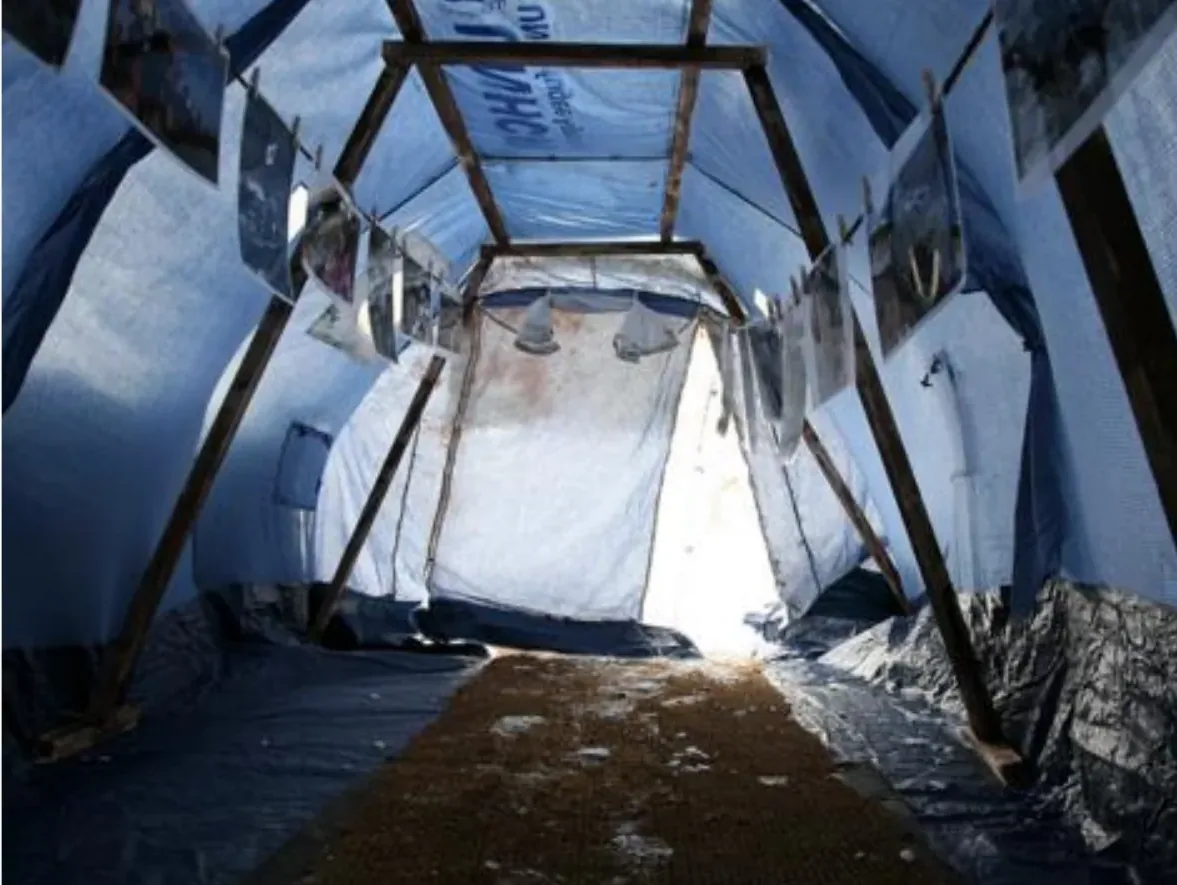
Tents built for warmth, deployed into snow.
The war in Ukraine and snowstorms across Syria and Lebanon have exposed a fundamental flaw in tent reliance: tents are designed for warm climates and lack the insulation and waterproofing to be viable in the cold. In wet and snowy conditions the tent skin holds no warmth, unpaved ground liquefies, and water seeps in. The common fix is a tarp thrown over the top.
Heat, thirst, and no shade to gather under.
Most of the world's refugees live in hot climates, and disproportionately face shortages of drinkable water and food that rising temperatures will only worsen. Families cool their tents with improvised layers of cloth, insufficient and dangerous, leaving people exposed to heat stroke, dehydration, and mosquito-borne disease such as malaria and Zika. Shaded public space for recreation and civic life is almost always missing.
The problem is clear. So is the response.
Estia Homes was designed for exactly these conditions, a dignified, all-climate home that assembles in hours and lasts for years.